

Anxiety & Depression
Anxiety
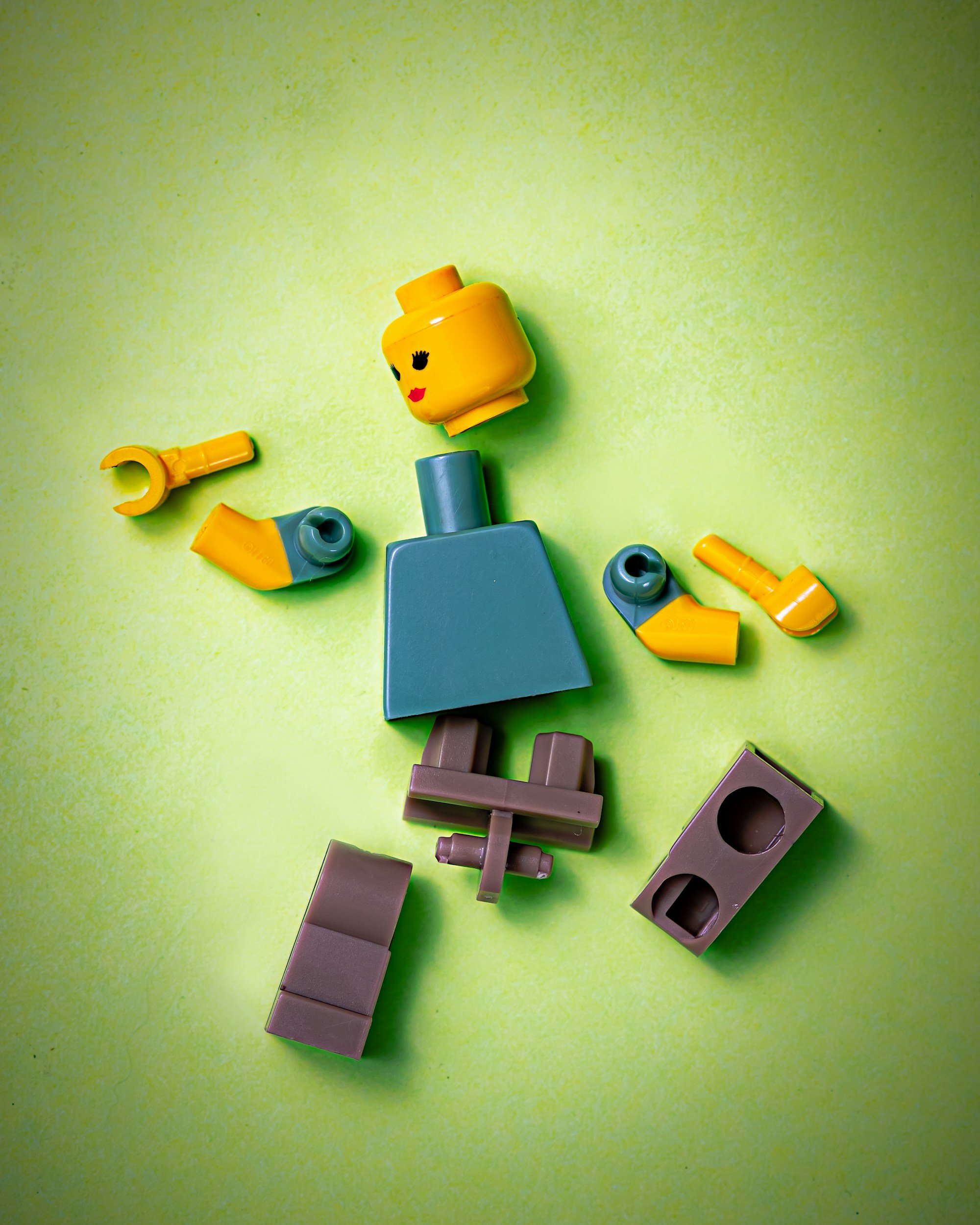
Anxiety is much more common than you might think, not that that makes it any easier.
It’s your body and brain’s natural reaction to stress or threats when you’re worried about something that might happen, and that’s the key word; might. It can quickly become overwhelming because your brain is thinking of all the things that might happen, that might go wrong – when you’re imagining a million different worst case scenarios, it’s no wonder you can’t think straight.
Anxiety is a normal reaction, but when you can’t seem to find the off switch, it can be really hard to carry on. It activates our ‘fight or flight’ response which gets you ready to run away from something dangerous, or stand your ground and fight. This might be helpful if you need to run away from a wild animal, or jump out of the way of a speeding car, but when there’s no obvious threat besides the anxiety you’re feeling, it’s not much use. Sometimes people have a different kind of response; they freeze. Whether your body goes for fight, flight or freeze, the results can be pretty similar – you feel overwhelmed, your heart rate increases, you might feel sweaty, tense, shaky or nauseous. These are all typical physical responses to anxiety.
If you feel this way every now and then, maybe it’s not too scary, but when it’s more frequent, maybe even every day, it’s really hard to handle..
Depression

Depression, the blues, persistent low mood; whatever you (or your GP) call it, it’s another surprisingly common mental health condition where you may feel sad or hopeless for weeks, months or even years. You might also lose interest in the things you usually enjoy (like hobbies or exercise). Depression can sometimes leave people feeling tearful or anxious – in fact, there’s a lot of overlap between anxiety and depression, with many people experiencing both together; a particularly unpleasant double-whammy. Depression can make it harder to manage relationships, work responsibilities or simply day-to-day life, and people can be left feeling like there’s no point in carrying on.
There’s a wide range in how severe depression can be; more mild cases may feel like low energy, or persistent sadness, while more severe cases can lead to self-harm or suicidal thoughts. It can be brought on by significant events like the loss of a loved one, losing a job, giving birth, or any kind of major life change. It might also follow something traumatic. There’s a genetic element to it as well, people with a family history of depression find themselves at higher risk of experiencing it themselves. However, often enough, there’s no clear cause.
Medication is often recommended alongside talking therapy, with drugs called SSRIs (Selective Serotonin Reuptake Inhibitors) being a typical treatment.